Vietnam is a land of rich culinary traditions, vibrant colors, and refreshing flavors. During the hot summer months, nothing is more inviting than a bowl of “chè,” the traditional Vietnamese dessert that combines sweetness, texture, and a cooling effect. From the bustling streets of Ho Chi Minh City to the tranquil riversides of the Mekong Delta, chè comes in countless varieties that are both delicious and visually appealing. For travelers seeking a delightful culinary adventure, MYCT Viet Nam Travel – a leading travel agency Singapore recommends eight must-try chè desserts that perfectly capture the essence of Vietnam.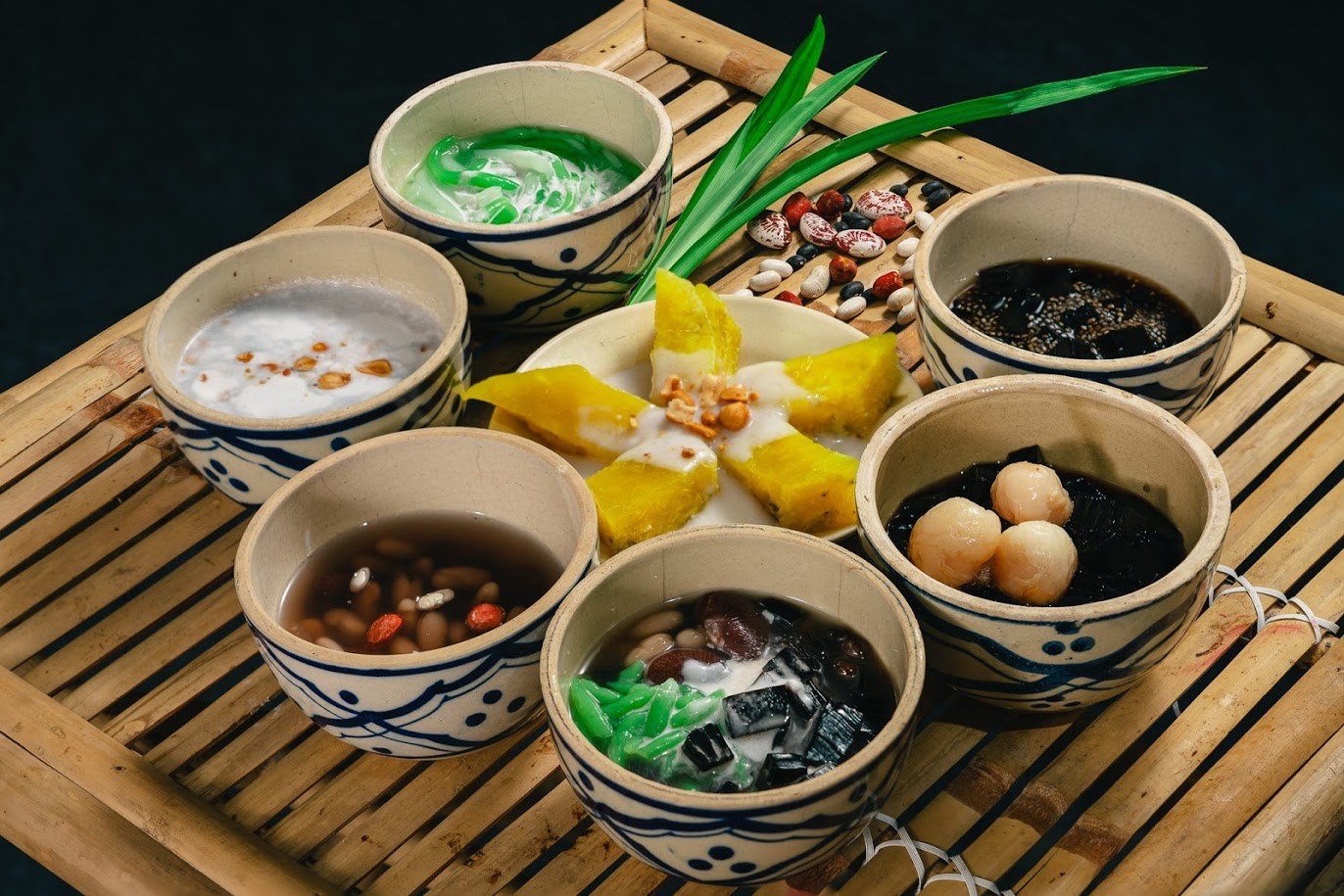
Beyond just being a treat for the taste buds, chè offers a unique sensory experience that reflects the creativity and ingenuity of Vietnamese cuisine. Each bowl combines a careful balance of flavors and textures – the natural sweetness of beans or fruits, the creamy richness of coconut milk, the soft chewiness of jelly, and the refreshing coolness of crushed ice. Many chè varieties are also beautifully presented, with vibrant layers, colorful toppings, and playful combinations that make them almost too appealing to eat.
Sampling these desserts allows travelers to engage directly with local culture, visiting traditional street stalls, bustling markets, and family-run dessert shops. It is not only about tasting something sweet but also about experiencing a living culinary tradition that has been passed down through generations, reflecting regional diversity, local ingredients, and the artistry of Vietnamese chefs. Whether enjoyed on a busy city street or along a peaceful riverside, chè provides a perfect introduction to Vietnam’s rich gastronomic heritage and a memorable highlight of any summer journey.
One of the most iconic Vietnamese desserts is Chè Ba Màu, or the three-color dessert. This visually stunning treat typically features layers of sweet mung beans, red beans, and pandan jelly, all topped with crushed ice and a generous pour of coconut milk. The combination of textures – creamy, chewy, and icy – makes it an ideal dessert for beating the summer heat. Visitors to Saigon often find themselves drawn to its bright colors and refreshing taste, making it a favorite among both locals and tourists.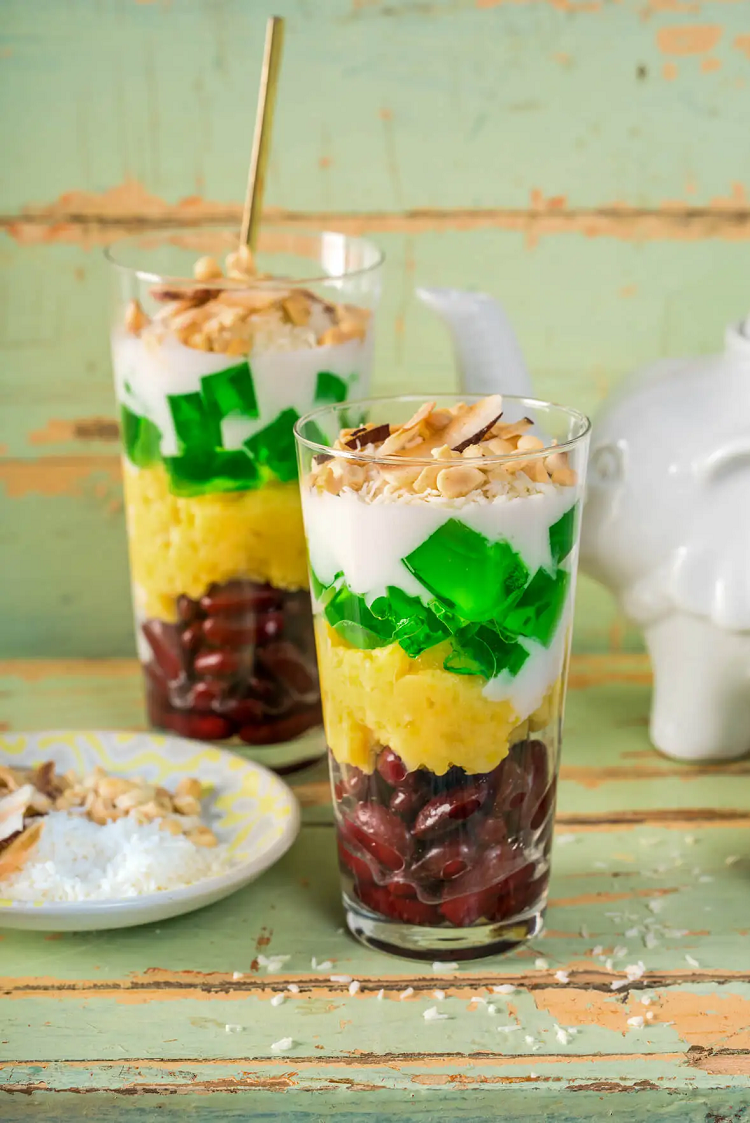
Originating from Northern Vietnam, Chè Khúc Bạch has gained popularity nationwide. This dessert consists of soft almond-flavored gelatin cubes, floating in sweet syrup and served with fresh fruits and almond slices. The delicate texture of Khúc Bạch, combined with the light sweetness of the syrup, makes it a sophisticated yet comforting treat. Hanoi’s modern cafés and dessert shops frequently serve this dish, offering travelers a chance to experience contemporary Vietnamese dessert culture.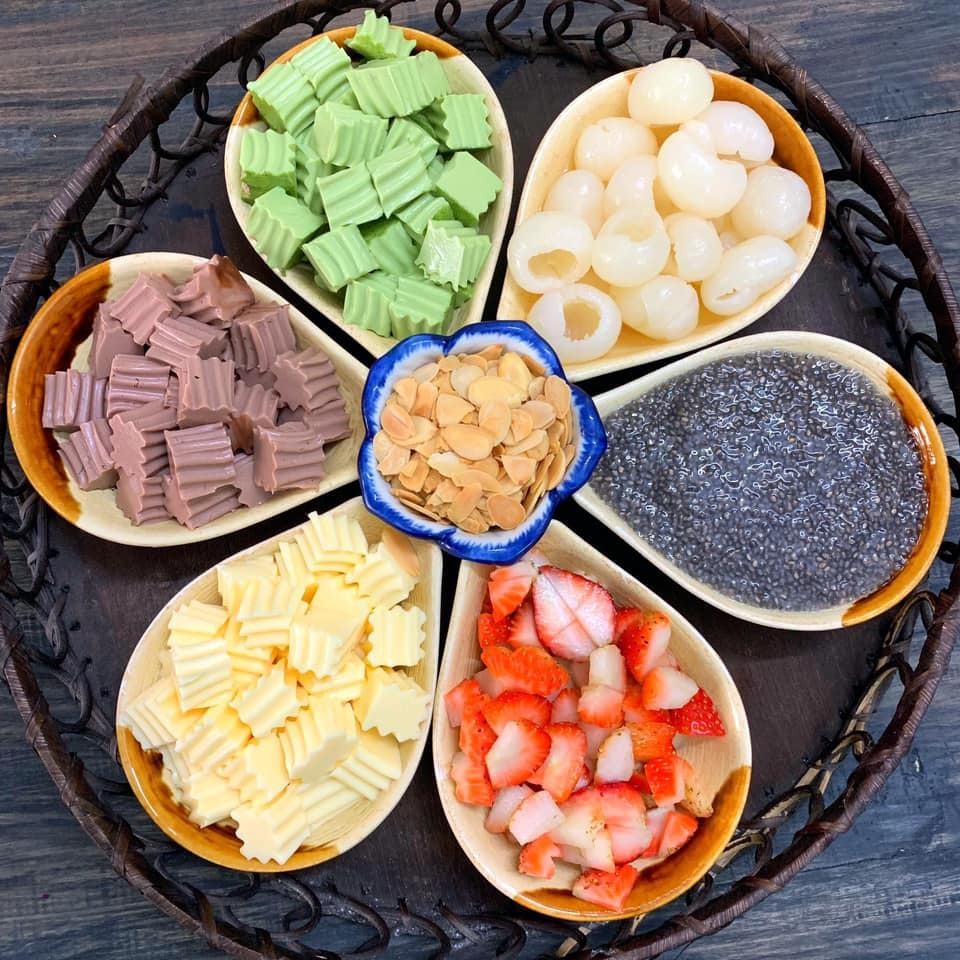
In the Mekong Delta, Chè Bưởi stands out as a regional specialty. The dessert features tender pomelo peel cooked in a slightly sweet syrup, combined with mung beans and coconut milk. Its unique texture – a gentle crunch of pomelo peel and soft creaminess of beans – makes it a refreshing choice for summer. Tourists visiting Can Tho and other southern provinces can enjoy this local favorite at riverside markets and traditional dessert shops.
Chè Sương Sáo, or grass jelly dessert, is popular throughout Vietnam. Made from grass jelly cubes soaked in lightly sweetened syrup, it is often served with a splash of fresh milk or coconut milk. Its cool, smooth texture makes it a perfect choice for a hot afternoon. Many vendors in Hanoi, Hue, and Saigon offer variations with added ingredients like red beans, lotus seeds, or pandan jelly, providing a customizable dessert experience.
For a simple yet delightful treat, Chè Đậu Xanh Rau Câu combines the nutty flavor of mung beans with the refreshing coolness of jelly. Often layered with coconut milk and topped with crushed ice, this dessert balances sweetness with subtle textures. It is widely available in street markets and casual dessert cafés, allowing visitors to experience a classic taste of Vietnamese summer treats.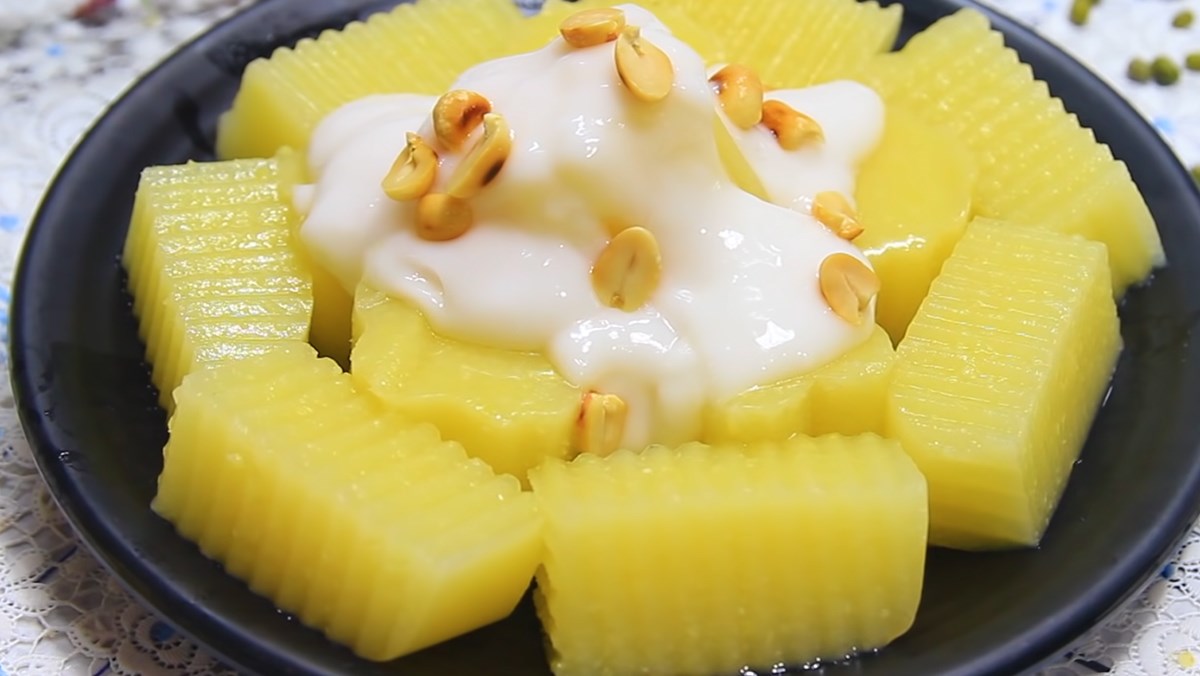
Chè Thái, inspired by Thai cuisine but adapted to local tastes, is a vibrant dessert bursting with tropical flavors. It typically includes a variety of fruits such as jackfruit, lychee, longan, and sago pearls, all served in sweet coconut milk and ice. Saigon is particularly famous for its versions of Chè Thái, offering a colorful, flavorful experience that appeals to both adults and children. Its playful presentation makes it a favorite choice for travelers seeking Instagram-worthy desserts.
In Central Vietnam, particularly in Hoi An, Chè Mè Đen is a traditional favorite. Made with black sesame paste, coconut milk, and sometimes glutinous rice, this dessert has a nutty, rich flavor and smooth, velvety texture. While it may be less familiar to international tourists, its health benefits and distinctive taste make it worth trying. Chè Mè Đen provides a glimpse into the culinary diversity of central Vietnam, showcasing local ingredients and traditional preparation techniques.
Hue, the former imperial capital of Vietnam, is renowned for its refined cuisine, and Chè Hạt Sen Long Nhãn exemplifies this elegance. This dessert combines soft, starchy lotus seeds with sweet, juicy longan fruit, all served in a lightly sweetened syrup or coconut milk. Its delicate flavors and light sweetness make it a perfect choice for a summer afternoon. Tourists exploring Hue’s ancient palaces and pagodas often enjoy this dessert as a refreshing break from sightseeing.
Vietnamese chè is more than just a dessert – it is a reflection of the country’s cultural richness, regional diversity, and mastery of flavors. Each bowl tells a story, whether it is a street-side treat in Saigon, a regional specialty in the Mekong Delta, or a refined delicacy in Hue. For foreign travelers, trying these desserts is a delicious way to engage with local traditions, ingredients, and culinary artistry.
Chè offers a unique sensory experience: the coolness of crushed ice, the creaminess of coconut milk, the chewiness of jelly, and the natural sweetness of beans or fruits. It is a perfect complement to Vietnam’s tropical climate and a delightful introduction to its food culture. Beyond just taste, chè also engages the eyes with vibrant colors and creative presentations. From layered “three-color” desserts to elegant bowls of lotus seed and longan, each serving reflects the artistry and imagination of Vietnamese chefs.
Vietnamese desserts also carry cultural significance. For example, certain ingredients like lotus seeds or mung beans are associated with health benefits and are often used in festive or ceremonial desserts. Sampling chè can thus give travelers a glimpse into local beliefs, traditions, and the symbolic meanings behind culinary choices. Moreover, the interactive nature of enjoying chè in local markets or street stalls – watching vendors prepare each bowl fresh, selecting your preferred toppings, and customizing sweetness levels – adds a fun, hands-on dimension to the dining experience.
Look for busy stalls – Local crowds often indicate freshness and quality.
Try seasonal fruits – Some chè varieties use fruits that change with the season, offering different experiences throughout the year.
Sample multiple types – Don’t hesitate to taste different chè on your journey; each region offers unique flavors.
Pair with sightseeing – Enjoy chè at riverside cafés, night markets, or near cultural landmarks for a complete sensory experience.
Ask for recommendations – Locals often know the best spots and secret variations that might not be listed in guidebooks.
Stay adventurous – While some flavors may be unfamiliar, embracing new tastes is part of the joy of Vietnamese cuisine.
Exploring Vietnam’s dessert scene is an essential part of any travel itinerary. From the streets of Hanoi to the markets of the Mekong Delta, these eight summer chè desserts provide a refreshing escape from the heat while immersing visitors in the country’s vibrant food culture. The journey through Vietnamese sweets is not only about satisfying your palate but also about understanding local ingredients, culinary techniques, and cultural heritage.
Travelers looking for a carefully curated journey through Vietnam’s culinary landscape can rely on MYCT Viet Nam Travel, a leading travel agency Singapore, to design tours that include must-visit dessert spots, local markets, and immersive cultural experiences. With options suitable for families, friends, corporate groups, and couples, MYCT ensures every traveler enjoys authentic Vietnamese flavors in a comfortable and engaging way. Whether sipping on a refreshing bowl of Chè Thái in Saigon, savoring Chè Bưởi in Can Tho, or experiencing Chè Hạt Sen Long Nhãn in the historic streets of Hue, each dessert adventure becomes a memorable highlight of your Vietnam trip.
By exploring these vibrant desserts, travelers not only cool down from the tropical heat but also create lasting memories of the sights, sounds, and flavors that define Vietnam. From the bustling urban centers to the peaceful countryside, chè offers a delicious and culturally rich way to connect with the heart of Vietnamese life.

© Copyright 2026 Myct Vietnam Travel. All Rights Reserved.