Northern Vietnam is famous not only for its majestic landscapes – towering mountains, misty valleys, and terraced rice fields – but also for its diverse and unique culinary traditions. The highlands are home to many ethnic groups, each contributing distinctive flavors and dishes that cannot be found anywhere else. For travelers who seek authentic cultural experiences, trying these local delicacies is just as unforgettable as exploring the region’s scenery. Here are seven specialties from the northern mountains of Vietnam that everyone should taste at least once in their lifetime.
Originating from the H’Mong people in Ha Giang and Lao Cai, Thang Co is one of the oldest traditional dishes in the northern highlands. Made primarily from horse meat, offal, and bones, it is slow-cooked with more than 20 different herbs and spices such as cardamom, lemongrass, and star anise. The result is a rich, aromatic stew often enjoyed in local markets during festivals or gatherings.:quality(75)/thang_co_0_d9b0a4ea3b.jpg)
For first-timers, the taste may be bold and unusual, but it is deeply tied to the identity of the H’Mong community. Sitting around a steaming pot of Thang Co, sharing stories with locals, and sipping corn wine is an essential cultural experience. Travelers visiting Bac Ha or Dong Van markets can often find large steaming pots of Thang Co prepared for both locals and visitors. Beyond being a dish, it is a way of bringing people together – a celebration of friendship and highland hospitality. Trying Thang Co in its original setting allows travelers to experience not just the flavor but also the rhythm of life in the mountains.
Known locally as Thit Trau Gac Bep, smoked buffalo meat is a signature dish of the Thai ethnic group in Dien Bien and Son La. Strips of buffalo meat are seasoned with wild herbs, chili, and ginger before being smoked over a wood fire for days. The process not only preserves the meat but also infuses it with a smoky fragrance that lingers long after the first bite.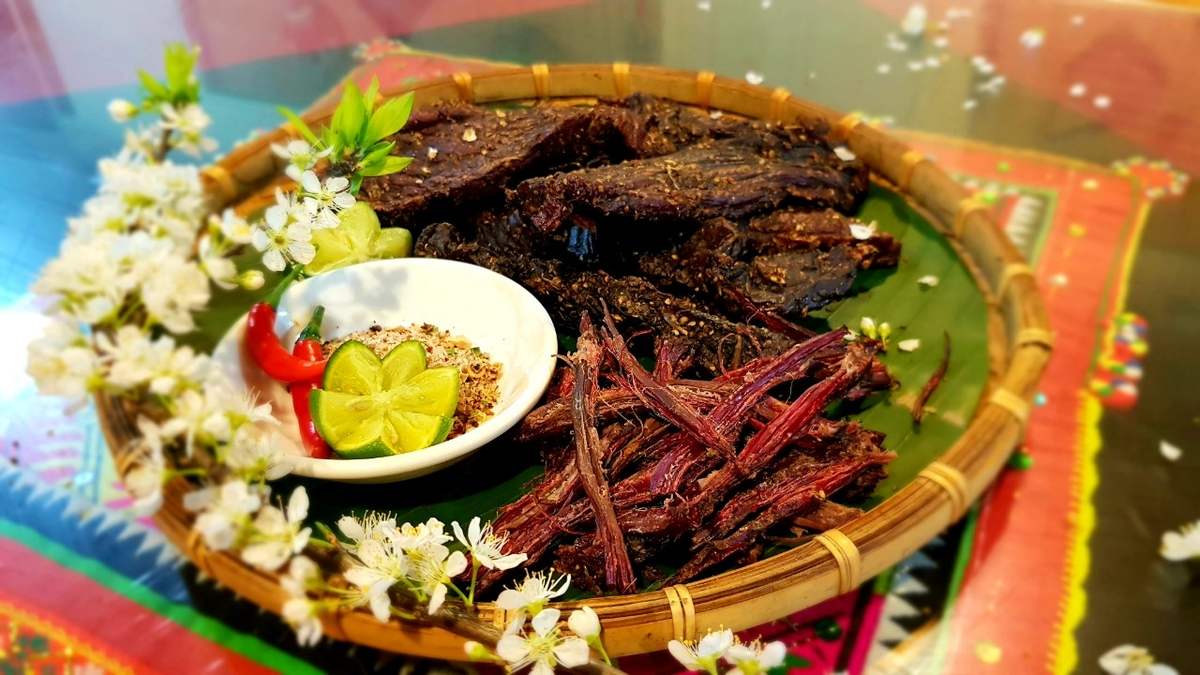
The meat is chewy, slightly spicy, and best enjoyed with sticky rice and a dipping sauce called cham cheo. It’s not only a beloved dish for festive occasions but also a popular gift for travelers to bring home. Today, smoked buffalo meat has become widely recognized across Vietnam, but nothing compares to tasting it in its homeland, where it is still carefully prepared using traditional methods. For adventurous eaters, it offers a glimpse into how highland communities preserve food in harsh mountain climates. It is also a practical travel snack: easy to carry, long-lasting, and full of protein for long treks.
In provinces like Hoa Binh and Yen Bai, streams and rivers provide an abundance of small freshwater fish. Locals marinate the fish with herbs from the forest, wrap them in banana leaves, and grill them over charcoal. The result is tender, fragrant fish with a subtle sweetness and crispy skin.
These grilled fish are often served with rice wine and sticky rice. The freshness of the fish combined with the smoky aroma makes it a perfect countryside delicacy for travelers seeking simplicity and authenticity. Eating grilled stream fish is not just about flavor but also about the atmosphere – usually enjoyed outdoors, by a campfire or by a stream, after a day of exploring the mountains. The experience of watching fish being grilled on bamboo skewers while chatting with locals adds another layer of charm. Tourists who love eco-tourism and homestays often find this dish to be one of the most memorable parts of their journey.
One of the most visually stunning dishes of northern Vietnam is Xoi Ngu Sac (Five-Color Sticky Rice), common in Lao Cai and Ha Giang. The dish features glutinous rice dyed naturally with colors extracted from forest plants: red from gac fruit, green from pandan leaves, purple from magenta leaves, yellow from turmeric, and white from pure rice.
More than just food, it symbolizes prosperity, happiness, and harmony in the culture of ethnic minorities. Served during festivals, weddings, and special ceremonies, Five-Color Sticky Rice delights not only the taste buds but also the eyes and the heart. Each color is believed to hold a special meaning, such as red for luck, green for vitality, and yellow for wealth. Travelers who visit during the spring festival season are often invited to taste this dish as part of traditional celebrations. It pairs well with grilled meats, sesame salt, or even honey, making it versatile and appealing for all kinds of palates. For many visitors, the beauty of this dish makes it one of the most photographed foods in northern Vietnam.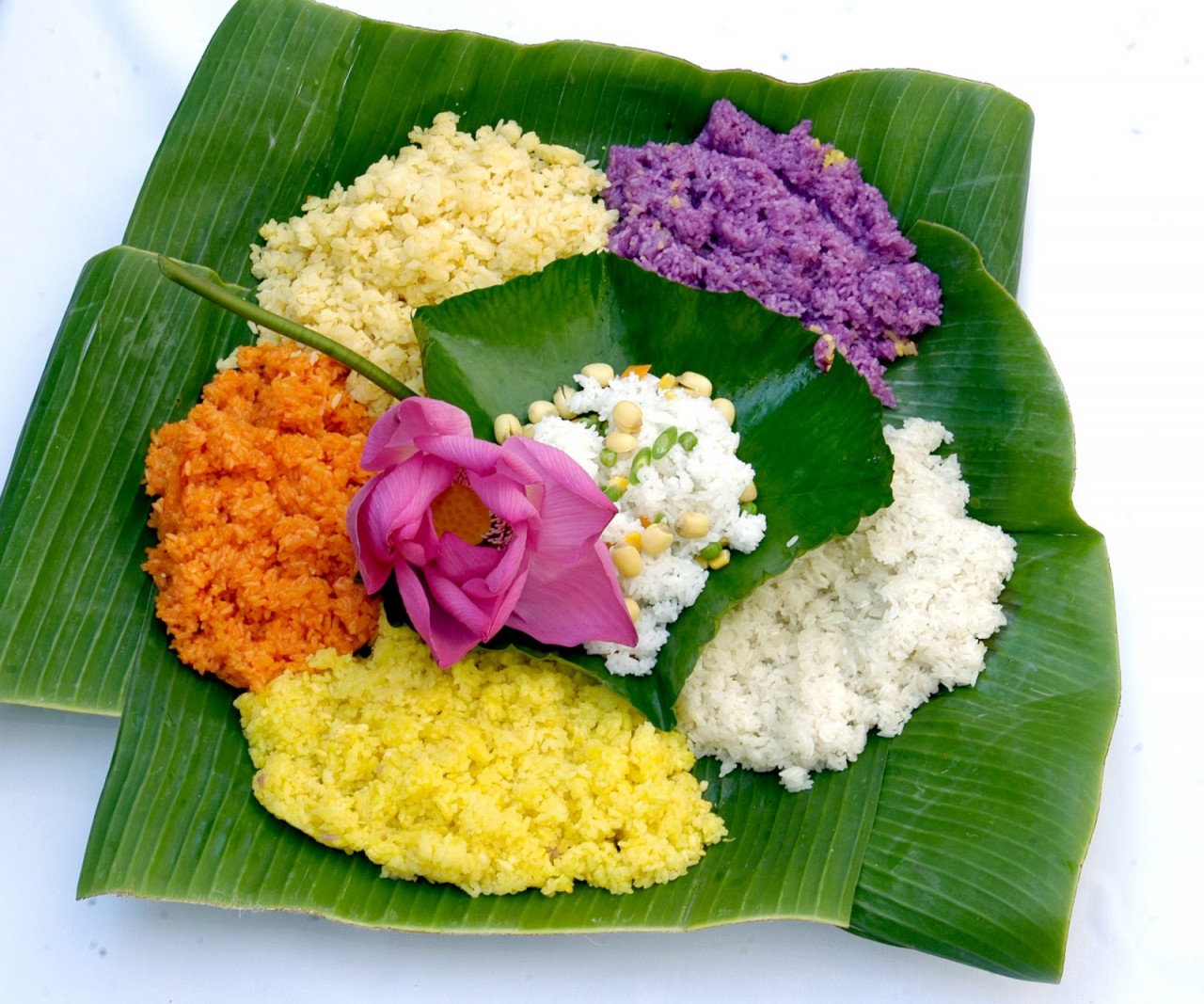
In the bustling markets of Bac Ha (Lao Cai) or even in remote highland villages, “Lon Cap Nach” stands out as a true delicacy. Its name, literally meaning “underarm pig,” comes from the fact that these pigs are so small that locals can carry them under their arms to the market. Unlike pigs raised on farms, Cap Nach pigs roam freely in the forest, feeding on herbs, roots, and natural plants. This lifestyle makes their meat uniquely lean, sweet, and flavorful, with a firm texture that cannot be found in industrially raised pork.
The most popular preparation is roasting over charcoal until the skin turns golden and crispy, while the inside remains juicy and tender. Some households marinate the meat with wild herbs and spices like mắc khén (a fragrant peppercorn used in the Northwest), creating layers of aroma that reflect the highland lifestyle. Sharing a hot dish of Cap Nach pork with rice wine by a fire is more than just a meal—it’s a communal tradition where stories are exchanged and friendships are strengthened. Travelers who want to experience authentic mountain hospitality should not miss this dish.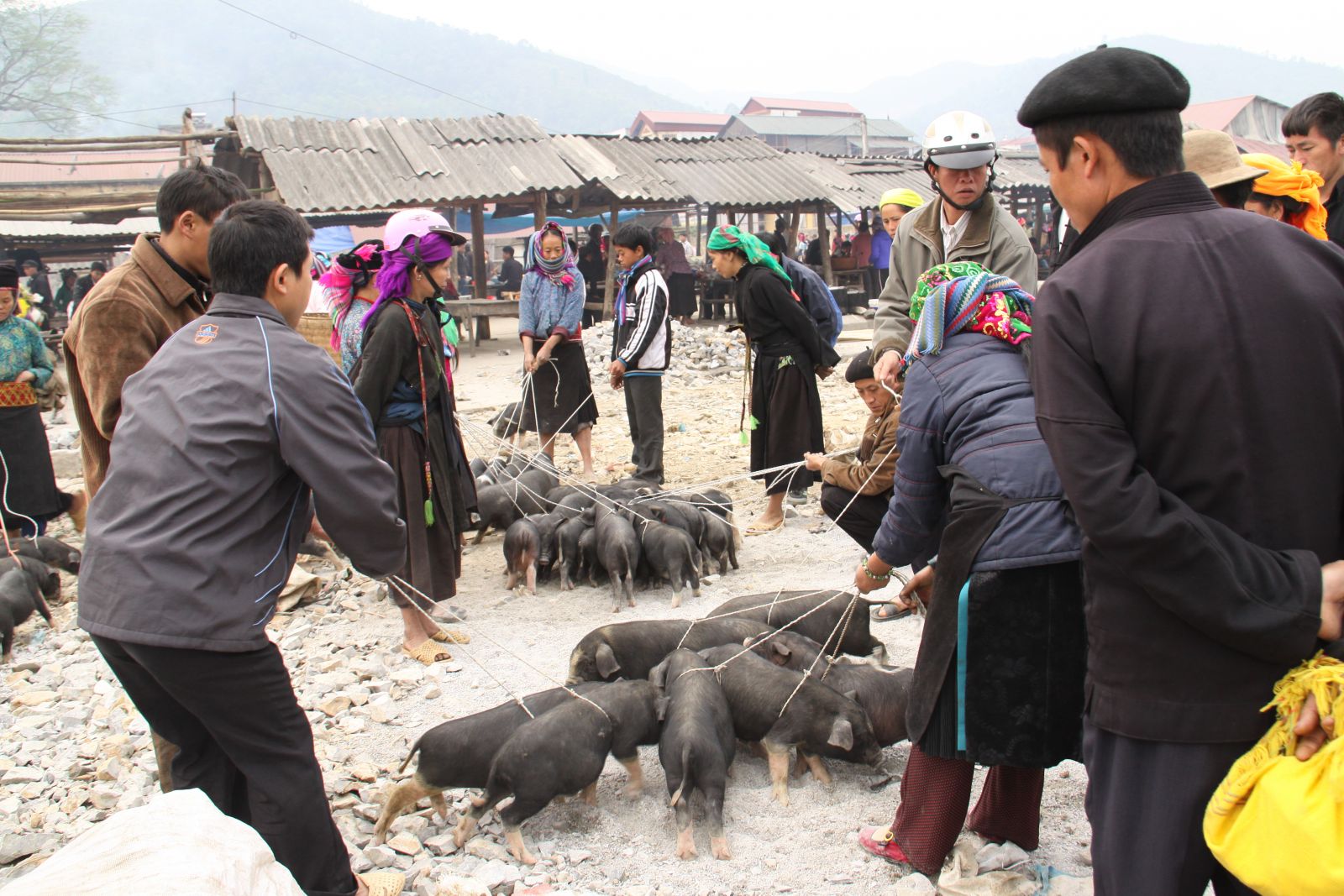
Pho Chua, or Sour Pho, is one of the most distinctive culinary creations of the northern highlands. Originating in Lang Son, this dish is especially popular during festivals or summer days when locals prefer something refreshing. Unlike the steaming bowl of Hanoi beef pho, Pho Chua is served dry with a special sauce poured on top. The noodles are soft but not soggy, often combined with slices of roasted duck or pork, crushed peanuts, pickled vegetables, and fresh herbs.
What makes it special is the sauce—a harmonious blend of vinegar, sugar, and traditional spices that creates a perfect balance of sour, sweet, and savory flavors. Each bite feels light yet satisfying, a completely different pho experience that surprises first-time visitors. Sour Pho is also a reflection of cultural diversity, as ethnic groups in Lang Son often adapt the dish to their own tastes, adding local herbs or changing the meat topping. For food lovers, it’s a must-try example of how familiar ingredients can be transformed into something entirely new.
Cơm Lam, or bamboo tube rice, is not just food—it’s a symbol of highland life. Traditionally prepared by ethnic minority groups such as the Thai and Tay people, Cơm Lam embodies both simplicity and ingenuity. Sticky rice is carefully washed, sometimes soaked with coconut water or seasoned with a pinch of salt, before being packed into young bamboo tubes. The open ends are sealed with banana leaves, and the tubes are placed over an open fire until the rice cooks slowly inside.
The bamboo imparts a subtle fragrance, making the rice naturally aromatic and slightly sweet. When the charred bamboo is peeled away, the rice inside is revealed as soft, sticky, and warm. Often paired with grilled chicken, forest vegetables, or sesame salt, Cơm Lam is filling yet light, perfect for travelers on long journeys. More than a meal, it is a cultural expression of harmony with nature—using what the mountains provide to create something delicious and meaningful. For visitors, enjoying Cơm Lam while sitting on a wooden bench in a stilt house is an experience that connects food, tradition, and the highland spirit.
What makes northern Vietnam’s mountain cuisine special is not only the flavors but also the cultural meaning behind each dish. These foods are tied to festivals, family gatherings, and daily life in the highlands. Trying them allows travelers to connect more deeply with local traditions and people.
Whether you are trekking through Sapa, visiting the markets of Ha Giang, or exploring the peaceful valleys of Moc Chau, don’t miss the chance to savor these specialties. Each bite tells a story of resilience, creativity, and harmony with nature.
At MYCT Viet Nam Travel, we believe that food is more than just nourishment – it is the heartbeat of every journey. As the trusted partner of the leading travel agency Singapore, we curate experiences that weave together awe-inspiring landscapes and the unforgettable flavors of Vietnam. From lively mountain markets to remote ethnic villages, our expert guides take you beyond the plate, sharing the stories, traditions, and warmth of local communities.
Whether you’re exploring with your family, bonding with colleagues, celebrating with friends, or traveling with little ones, our tours are designed to create authentic connections, cultural discoveries, and lasting memories. With us, every meal becomes an adventure, and every destination tells a story.
The northern mountains of Vietnam are not just a place on the map – they are a living mosaic of flavors, traditions, and soul. To taste Thang Co, smoked buffalo meat, grilled stream fish, colorful sticky rice, Cap Nach pork, Sour Pho, and Com Lam is to taste the spirit of the highlands themselves.
When you plan your journey to Vietnam, let these seven delicacies be your compass. They are the flavors that define the mountains, and once experienced, they linger in your memory long after the trip ends.

© Copyright 2026 Myct Vietnam Travel. All Rights Reserved.