Just 20 kilometers from the heart of Hanoi lies a hidden gem of Vietnamese culture: Bat Trang Pottery Museum, a stunning testament to a thousand-year-old craft tradition. Nestled in the historic village of Bat Trang in Gia Lam District, the museum is a must-visit destination for culture lovers, families, and international travelers curious about Vietnam’s artistry and heritage.
At MYCT Viet Nam Travel, we believe in curating authentic experiences that connect you with the soul of Vietnam—and a visit to Bat Trang Pottery Museum is one such unforgettable journey.

Bat Trang village, located along the fertile banks of the Red River in Gia Lam District, Hanoi, is one of Vietnam’s most celebrated traditional craft villages. With a history spanning over a millennium, it is widely believed that Bat Trang was established during the Ly Dynasty in the 11th century—a golden age of Vietnamese culture and development. According to local folklore, a group of talented ceramic artisans from Bo Bat Village (now part of modern-day Ninh Binh) migrated to this area, bringing with them the rich knowledge of pottery passed down through generations.
What they found in Bat Trang was the perfect combination of natural resources: fine clay, a steady water source, and an ideal location near the ancient capital of Thang Long (present-day Hanoi). These favorable conditions laid the foundation for a flourishing ceramic industry. Over the centuries, Bat Trang earned its reputation as a producer of high-quality ceramics, ranging from daily household items to sophisticated works of art used in palaces and temples.
The name “Bat Trang” itself speaks volumes: “Bát” refers to bowls, dishes, or everyday ware, while “Tràng” means a workshop or production site. Together, they denote a village dedicated to the craft of pottery—a living, breathing community where every household had a kiln, and every child knew the scent of clay.
Throughout Vietnam’s feudal history, Bat Trang ceramics were favored not only by local nobles and scholars but also by international traders. Products from Bat Trang reached markets across Asia and Europe via ancient trade routes. Even today, Bat Trang pottery is prized for its elegance, durability, and artistic depth, reflecting both the cultural identity of Vietnam and the personal expression of each artisan.
Standing proudly at the heart of this village is the Bat Trang Pottery Museum, also known as the “Center for Vietnamese Craft Village Quintessence.” Though steeped in history, the museum is a modern architectural marvel—a harmonious blend of tradition and innovation. The building was constructed in 2018 and officially opened its doors to visitors in April 2022.
What makes the museum especially captivating is its symbolic design: a series of seven spiral-shaped concrete blocks that interweave and rise upward like the spinning motion of a potter’s wheel. This design pays tribute to the most iconic tool in pottery-making—the rotating wheel that shapes raw clay into beautiful forms. The spirals are not just aesthetically pleasing but also carry cultural meaning, representing the eternal cycle of creation, transformation, and continuity in the craft tradition.
The materials used in construction are also a deliberate nod to Bat Trang’s identity. The outer surfaces are clad in kiln-fired ceramic bricks, hand-glazed tiles, and traditional motifs, bringing together the tactile language of the village’s past with the clean lines of modern architecture. Each curve, twist, and open space invites the visitor to walk not only through a building but through a story—one written in fire, clay, and time.
This museum isn’t just a static exhibition space; it is a living tribute to the artistry of Vietnamese ceramics. Every architectural feature, from the flowing lines to the use of natural light, reflects the transformation of clay into cultural heritage—offering a deep, multi-sensory connection to one of Vietnam’s oldest and most refined art forms.
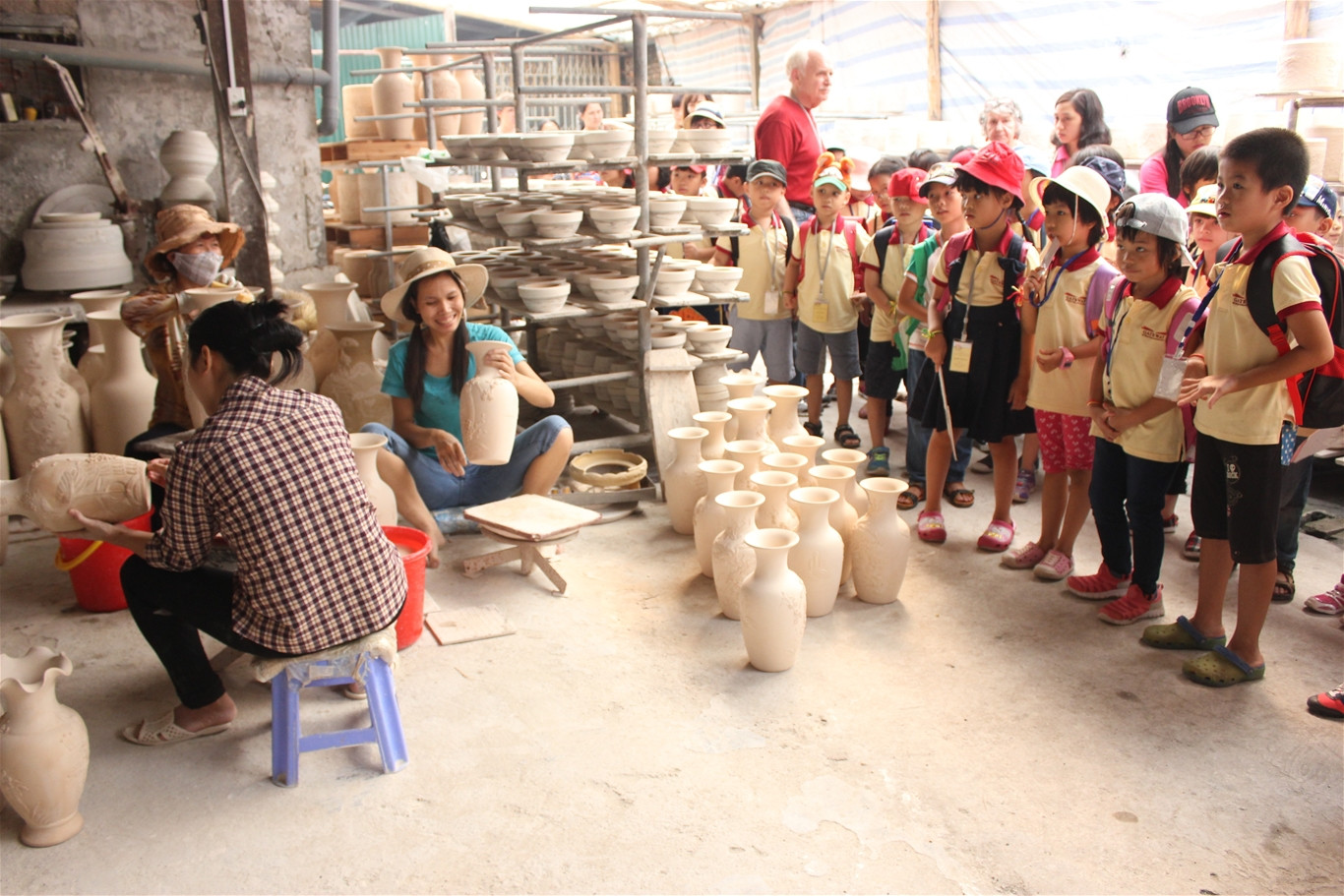
The museum isn’t just a gallery—it’s a full sensory journey through Vietnamese ceramic culture. Each floor offers a distinct experience, making it ideal for all types of travelers—from curious children on a school tour to couples seeking a cultural day trip or even elderly visitors reliving memories of Vietnam’s artistic traditions.
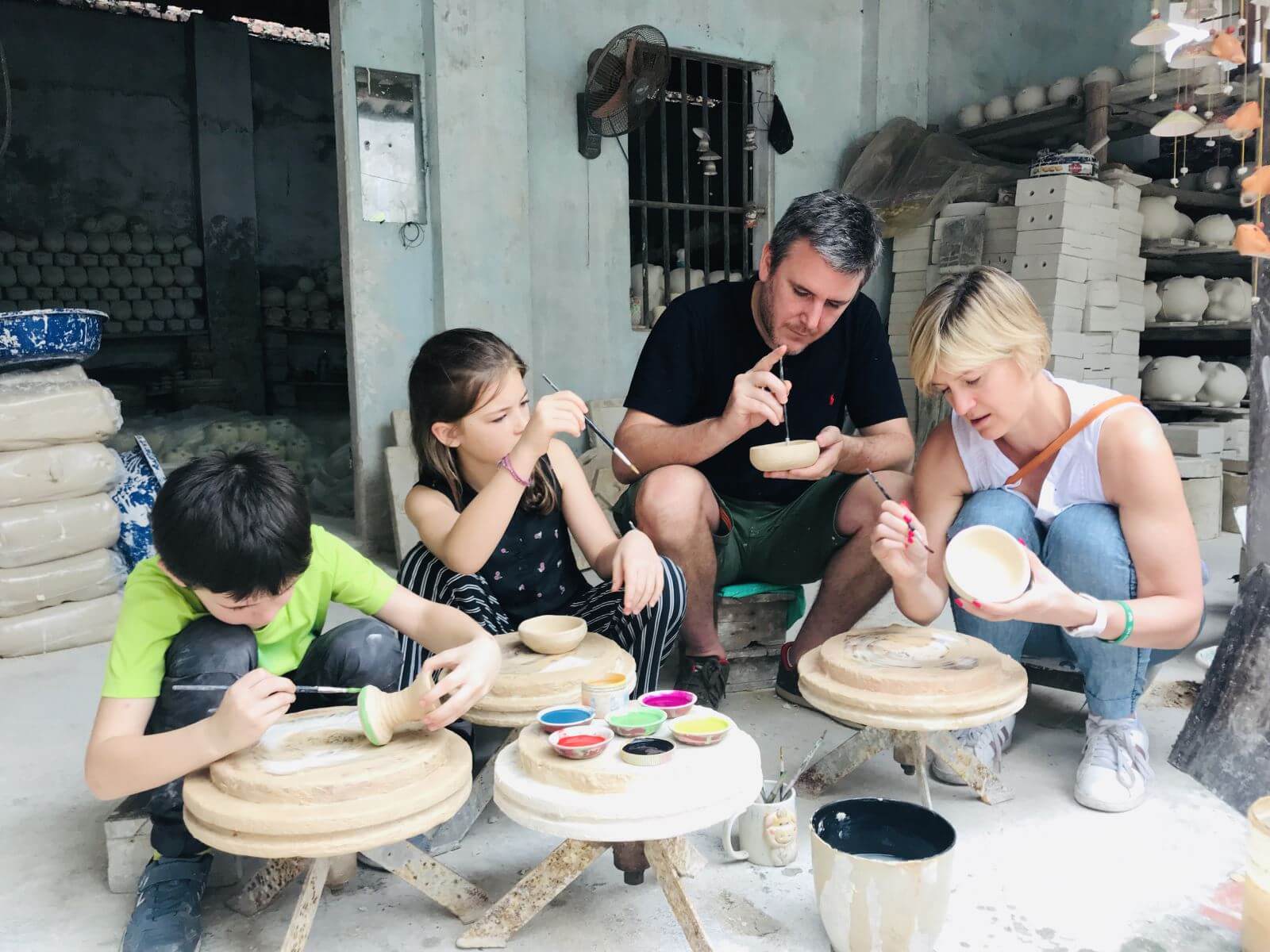
Here’s where the magic begins! The Ground Floor lets you become an artisan yourself. You’ll have the chance to try your hand at spinning clay, guided by expert ceramicists. It’s especially fun for children, who love creating unique pieces they can take home as souvenirs. The interactive nature of this space makes it one of the museum’s most popular attractions.
This spacious gallery welcomes visitors with a collection of Bat Trang’s most iconic ceramic works. Designed as an open and versatile space, it also hosts cultural performances, exhibitions, and craft fairs throughout the year. Whether you’re browsing or shopping, this level sets the tone for a rich cultural experience.
Step into a world where the past meets the present. This floor is dedicated to Bat Trang’s journey through history, showcasing ancient pottery techniques, royal ware, and historical artifacts. Interactive exhibits help visitors of all ages understand the significance of pottery in daily Vietnamese life across dynasties.

This space is where tradition meets modernity. Featuring contemporary ceramic installations and modern art interpretations, it reveals how Bat Trang artisans continue to innovate. It’s a favorite among art lovers and collectors seeking pieces that blend cultural roots with contemporary flair.
After exploring, you can unwind at the royal-style dining hall, café, or terrace that overlooks the Red River. This level offers a tranquil ambiance for sipping Vietnamese coffee or enjoying traditional dishes while soaking in the architectural beauty. It’s also a great photo spot!

Enter a serene space designed for tea ceremonies and folk performances. Visitors can enjoy traditional tea while experiencing live music, Chầu văn (spiritual singing), and Chèo (Vietnamese opera). Cultural events are regularly hosted here, offering an immersive journey into Vietnam’s performing arts.

Perhaps the most memorable part of your visit will be sitting down at a potter’s wheel, hands muddy and heart full. Pottery workshops at the museum typically cost just 50,000–70,000 VND (about $2–3 USD). You’ll be guided through every step—from shaping the clay, to glazing and having your piece kiln-fired.
This hands-on activity isn’t just fun—it’s deeply educational. It helps you understand the meticulous process behind every cup, vase, or sculpture you’ll see in the museum’s galleries. More importantly, it helps you connect emotionally with the craft that has been passed down through generations.
Bat Trang Pottery Museum is conveniently located and easily accessible from Hanoi’s city center:
By Bus: Take Route 47 from Long Bien Bus Station. The fare is around 7,000 VND ($0.30). This is a budget-friendly option, especially for solo travelers.
By Motorbike or Car: Follow the Red River dike road from Chuong Duong Bridge. This route offers scenic views and more flexibility, ideal for families or groups.
By Private Tour: MYCT Viet Nam Travel offers tailor-made excursions that combine Bat Trang with other cultural sites in Hanoi, ensuring a hassle-free and enriching experience.
No trip to Bat Trang is complete without sampling its unique local dishes. Must-try options include:
Bánh Tẻ Nóng: A warm rice cake filled with minced pork and mushrooms.
Chè Hột Hoa Sói: A refreshing dessert made from lotus seeds and jasmine.
Canh Măng Mực Sẻ: A rich soup featuring bamboo shoots and dried squid—a local delicacy that embodies northern Vietnamese flavor.
For those who love food tourism, MYCT’s food-centric tours can be added to your Bat Trang itinerary for a deeper dive into the region’s culinary identity.
When to Go: Late winter and early spring (January to March) is ideal. The weather is cool, and the village hosts several traditional festivals during this time.
Check Operating Hours: The museum is open 8:00 AM – 5:30 PM on weekdays, and until 6:00 PM on weekends.
Handle Ceramics with Care: Most displays are fragile. If you’re visiting with children, keep an eye on them during the tour.
Wear Comfortable Clothing: With several floors and hands-on activities, light and breathable clothes will make your visit more enjoyable.
Buy with Confidence: If purchasing ceramics, inspect for cracks or blemishes, and ask for safe packaging if you’re traveling abroad.
At MYCT Viet Nam Travel, we offer curated, culture-rich tours that go beyond surface-level sightseeing. Whether you’re a couple looking for a romantic getaway, a family exploring Vietnam’s heritage, or a corporate group seeking a meaningful outing, we provide flexible, personalized experiences tailored to your interests.
As a proud partner of the leading travel agency Singapore, we ensure that your Vietnam trip is not only seamless but also filled with unforgettable moments—from molding your first clay bowl to sipping tea above a riverside village.
Ready to Explore Bat Trang with Us?
Let us guide you through Hanoi’s artistic soul. With professional local guides, comfortable transportation, and interactive activities, our Bat Trang Pottery Museum tour is perfect for:
International visitors wanting an authentic cultural experience
Families with children who love creativity
Corporate groups seeking team-building through art
Couples or wedding groups exploring Hanoi’s hidden gems
Book your journey now with MYCT Viet Nam Travel—where every destination tells a story, and every traveler becomes part of it.

© Copyright 2026 Myct Vietnam Travel. All Rights Reserved.