Vietnam is a country blessed with breathtaking landscapes, diverse ethnic traditions, and a history that stretches back thousands of years. Among its many treasures, five UNESCO World Cultural Heritage Sites stand out as timeless testaments to the country’s cultural richness and architectural brilliance. From ancient royal citadels to centuries-old towns, each heritage site tells a fascinating story of Vietnam’s past while offering unforgettable travel experiences today.
At MYCT Viet Nam Travel, we believe that exploring these UNESCO treasures is more than just sightseeing—it is a journey into the heart of Vietnamese civilization. Whether you are traveling with family, friends, colleagues, or as a couple, our expertly designed tours ensure that every visitor uncovers the beauty and history hidden within these world-renowned sites. Partnering with MYCT Viet Nam Travel, a leading travel agency Singapore, you can enjoy seamless itineraries and professional guidance that turn every moment into a memorable adventure.
Let’s embark on a journey through Vietnam’s Top 5 UNESCO World Cultural Heritage Sites and discover why they deserve a place on your travel bucket list.
Nestled along the Perfume River in central Vietnam, the Complex of Hue Monuments was once the political, cultural, and spiritual center of the Nguyen Dynasty, Vietnam’s last imperial family. Recognized by UNESCO in 1993, this heritage site is a magnificent example of traditional Asian architecture harmoniously blending with nature.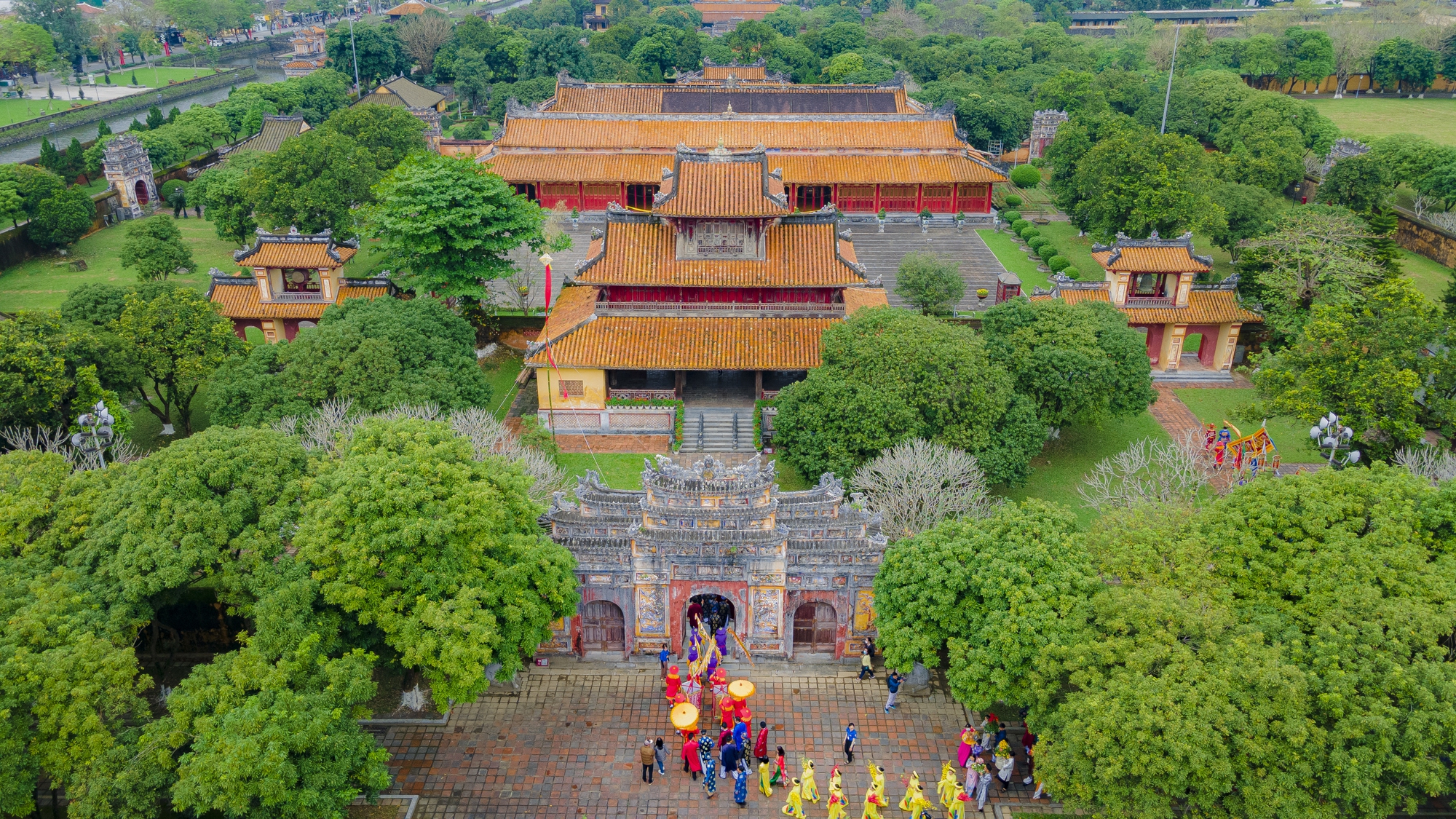
The vast complex includes the Imperial City, royal tombs, temples, and pagodas. Walking through the grand gates of the Hue Citadel, visitors are transported back in time to an era of emperors and mandarins. The Forbidden Purple City, although partially damaged during wars, still retains its regal charm.
One of the highlights of Hue is its royal mausoleums. The tomb of Emperor Khai Dinh, with its elaborate blend of Eastern and Western styles, and the tranquil tomb of Emperor Tu Duc, surrounded by lotus ponds, are must-visit landmarks.
Cultural performances also add to the allure of Hue. Nhã nhạc cung đình Huế (Hue Royal Court Music), recognized as an Intangible Cultural Heritage by UNESCO, can often be enjoyed on a serene boat ride along the Perfume River. These melodies echo the grandeur of royal ceremonies from centuries ago.
For travelers, Hue offers not just history but also a chance to savor authentic imperial cuisine, discover ancient pagodas like Thien Mu, and experience the charm of central Vietnam’s traditions.
Few places capture the charm of Vietnam like Hoi An Ancient Town. Once a bustling trading port from the 15th to 19th centuries, Hoi An flourished as a melting pot of cultures. Chinese, Japanese, and European influences are reflected in its well-preserved architecture, earning it UNESCO recognition in 1999.
Strolling through the narrow streets of Hoi An feels like stepping into a living museum. Ancient wooden houses, moss-covered temples, and colorful lanterns create a magical atmosphere. The Japanese Covered Bridge, an iconic symbol of Hoi An, embodies the town’s fusion of cultures. Meanwhile, Chinese Assembly Halls stand as reminders of the community bonds that once thrived here.
Hoi An is not only about architecture—it is also about experiences. Visitors can shop for handmade lanterns, explore tailor shops renowned for custom-made clothing, and sample unique local dishes such as cao lầu and Hoi An-style baguettes.
The town transforms into a fairyland at night, when thousands of lanterns light up the streets and floating candles drift along the Thu Bon River. Participating in the monthly Lantern Festival is an unforgettable cultural experience, where visitors can join locals in honoring their ancestors and wishing for good fortune.
For families and couples alike, Hoi An is both romantic and immersive, offering a slower pace of life where history and culture blend seamlessly with modern hospitality.
Hidden in a lush valley not far from Hoi An lies My Son Sanctuary, a fascinating complex of Hindu temples built by the Champa Kingdom between the 4th and 13th centuries. Recognized as a UNESCO World Cultural Heritage Site in 1999, My Son showcases the religious and artistic brilliance of an ancient civilization that once flourished in central Vietnam.
The sanctuary consists of over 70 temple structures, constructed from red brick and sandstone, dedicated to Hindu deities such as Shiva. Despite the passage of time and war damage, many of these monuments still stand proudly, adorned with intricate carvings of dancers, animals, and mythological figures.
For history enthusiasts, My Son offers a glimpse into the spiritual life of the Cham people. The temples were not only places of worship but also centers of learning, culture, and royal ceremonies. The architectural techniques used by the Cham—such as bonding bricks without mortar—remain a mystery to scholars today.
Visitors can explore the ruins on guided tours, which often include traditional Cham dance performances that revive the spirit of this lost kingdom. The sanctuary’s serene location, surrounded by forested mountains, adds to its mystical charm.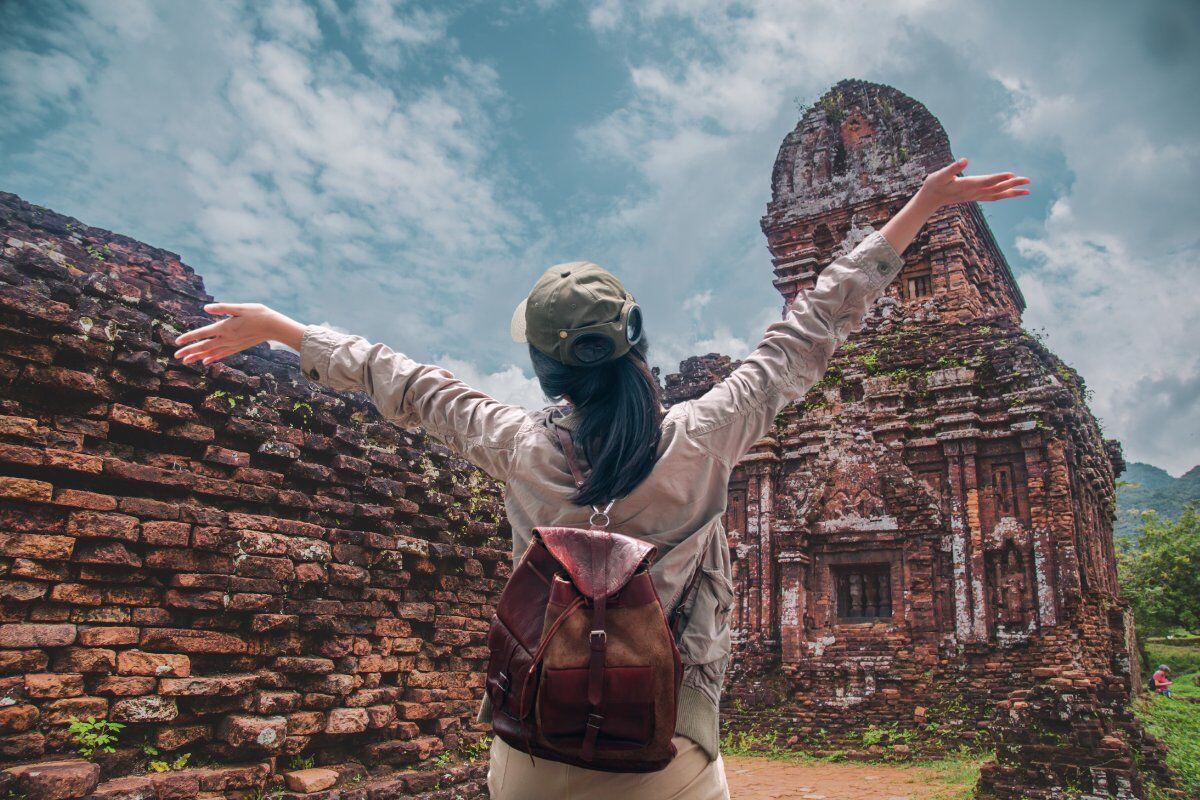
My Son is best experienced in the early morning, when the sun casts golden light on the ancient bricks, and the valley is still quiet. For travelers seeking both history and tranquility, it is an essential stop in central Vietnam.
In the heart of Vietnam’s capital, Hanoi, stands the Imperial Citadel of Thang Long, a site that has witnessed more than a thousand years of history. Designated as a UNESCO World Cultural Heritage Site in 2010, this citadel embodies Vietnam’s continuity as a political and cultural hub through dynasties from the 11th century to the modern era.
Originally established by the Ly Dynasty in 1010, the citadel served as the seat of power for successive dynasties and later became an important military command center during the 20th century. Excavations at the site have revealed remarkable artifacts, including ancient foundations, pottery, and royal relics.
Key highlights include the Hanoi Flag Tower, a symbol of the city; Doan Mon Gate, the majestic southern entrance; and the foundations of Kinh Thien Palace, once the heart of royal ceremonies. Walking through the citadel, visitors can imagine the grandeur of imperial processions and royal life.
For travelers, the citadel offers more than history—it provides a cultural connection to Hanoi itself. Located near the bustling Old Quarter, it allows visitors to combine a heritage tour with vibrant local experiences, from sipping egg coffee to watching a traditional water puppet show.
The Imperial Citadel is a reminder of Vietnam’s resilience and cultural depth, making it a must-see for anyone interested in understanding the nation’s identity.
While less known than Hue or Hanoi, the Ho Dynasty Citadel in Thanh Hoa Province is a marvel of ancient engineering. Built in 1397 by the Ho Dynasty, it was recognized by UNESCO in 2011 as a unique example of large-scale stone fortress construction in Southeast Asia.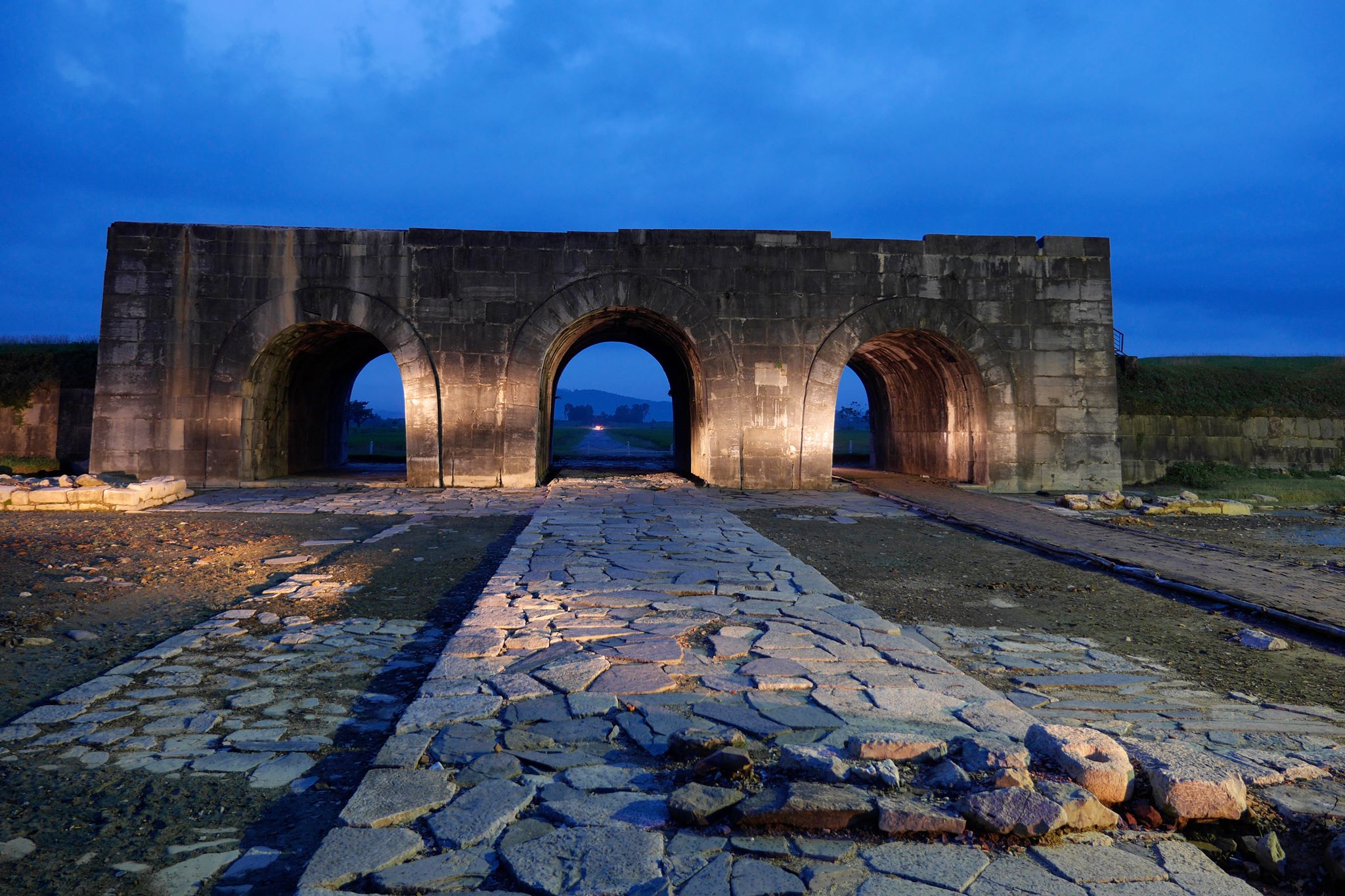
What sets this citadel apart is its monumental stone architecture. Massive limestone blocks, some weighing several tons, were meticulously carved and fitted together without mortar. The citadel’s four imposing gates and thick walls showcase advanced construction techniques that have withstood centuries of time.
Although the dynasty it served was short-lived, the Ho Citadel represents significant historical transitions in Vietnam, including administrative reforms and a new era of Confucian state governance.
Today, visitors can explore the ruins of the citadel, which stand amid peaceful rural landscapes. Walking through the ancient gates gives a sense of stepping into a forgotten era. The surrounding countryside, with rice paddies and traditional villages, offers an authentic glimpse into Vietnamese rural life.
For those seeking off-the-beaten-path experiences, the Ho Dynasty Citadel provides both historical intrigue and cultural immersion, away from the crowds of more famous sites.
Vietnam’s five UNESCO World Cultural Heritage Sites are not only symbols of history but also gateways to understanding the soul of the nation. From the imperial grandeur of Hue to the tranquil stone walls of the Ho Citadel, each destination reveals a unique chapter of Vietnam’s cultural journey.
For travelers, experiencing these sites is far more than sightseeing. It is an opportunity to walk in the footsteps of emperors, immerse yourself in centuries-old traditions, and witness the artistry of civilizations that shaped Vietnam’s identity. Lantern-lit evenings in Hoi An, the mystical ruins of My Son, or the thousand-year-old heritage of Hanoi’s Imperial Citadel all create memories that linger long after the journey ends.
At MYCT Viet Nam Travel, we make these experiences truly come alive. As a trusted travel partner, we go beyond offering standard tours—we design itineraries that blend history, culture, and authentic local encounters. Our professional guides share captivating stories, our itineraries balance comfort with discovery, and our team ensures every detail of your journey is seamless. Whether you travel as a family, with friends, as a company group, or as a couple seeking cultural romance, MYCT guarantees a personalized adventure.
With passion, expertise, and dedication, we transform Vietnam’s UNESCO heritage from remarkable landmarks into unforgettable life experiences. Let MYCT Viet Nam Travel be your gateway to Vietnam’s timeless treasures—and your trusted companion on the journey of a lifetime.

© Copyright 2026 Myct Vietnam Travel. All Rights Reserved.